











INVESTMENT BANKING
Sell, buy, or raise. One senior team, start to finish.
transactions
aggregate value
cross-border deals
WHICH PATH FITS YOU
Start with the outcome you want.
Most founders arrive sure they need one of these. Plenty leave doing another. The preparation is the same either way, and our job is to help you pick correctly.
Sell the company, in whole or in part
Grow by acquiring another company
Reach the best buyer or investor, wherever they are
Fund the next stage and keep control
Raise capital without giving up ownership
Get shareholders liquid without a full sale
SELL-SIDE M&A
Selling your company, run as a market.
One buyer is a negotiation. Several buyers is a market. We prepare the company, build a buyer list on real relationships, and run a competitive process with enough qualified parties at the table that no single buyer sets your terms.
What you get
A clear read before you commit.
What companies like yours traded for this year, the conservative number, and the one we think we can reach.
A buyer list built on standing.
Strategic acquirers and sponsors who already know us, chosen for fit with your business.
Your story, told through your numbers.
Positioning built on your KPIs and growth drivers, framed around each buyer's strategy.
Negotiation to close.
Senior bankers in the room on price, structure, and terms, alongside your counsel.
When sell-side fits:
you are ready to sell all or a majority of the company, you have received an inbound offer, or the board wants to test the market.
Featured Deal:
UserWay, acquired by Level Access for $98.7M in cash. Nfluence was financial advisor to the seller.
BUY-SIDE M&A
Growing by acquisition, with a thesis behind every target.
Buy-side is a different job. It starts with your strategy, then moves to finding the companies that fit it, including ones that aren't for sale yet. We build the thesis with you, source and approach targets, and negotiate on your side through close.
What you get
A sharp thesis.
What you are buying, why, and what it is worth to you, agreed before a single outreach.
Targets beyond the obvious list.
Direct approaches to founders and owners through our relationships across technology sectors.
Valuation and structure.
Pricing, earn-outs, and terms built to protect your return.
Diligence and negotiation.
Coordinated with your team and counsel, from first meeting to signed agreement.
Sell-side vs. buy-side, in one line:
on the sell side we represent you as the company being acquired. On the buy side we represent you as the acquirer.
Featured deal:
AppLovin on its acquisition of Adjust. PracticeSuite on its acquisition of MicroMD, a carve-out from Henry Schein.
CROSS-BORDER TRANSACTIONS
The best buyer may be in another time zone.
Software markets are global. The right acquirer or capital partner is as likely to sit in London, Berlin, Tel Aviv, or Seoul as in San Francisco. We reach them senior to senior, through relationships built deal by deal, and manage the differences in process, regulation, and timing that come with an international party.
What you get
A wider table.
International buyers added where they fit, increasing the competition that sets your price.
Direct access.
The banker running your deal makes the call to every international party.
Execution across borders.
North America, Europe, and APAC, with time zones and deal norms managed for you.
50+
cross-border deals
20+
countries
6
continents
Featured Deal:
3iQ, acquired by Monex Financial Group / Coincheck. Nfluence was exclusive financial advisor to the seller.

CAPITAL FORMATION
Capital for the next stage, on your timing.
An institutional process rather than a warm-intro scramble. We prepare the company, run a structured raise across sponsors and lenders who know us, and help you choose the capital that fits the business.
GROWTH
Growth equity
Primary and secondary rounds from growth equity funds, crossover investors, and strategic partners. Fund the plan, bring on the right partner, and keep control of the company.
Featured deal:
PropLogix, growth capital investment from Accel-KKR.
STRUCTURE
Structured debt & credit
Flexible, non-dilutive financing for companies with predictable revenue. Growth debt, credit facilities, and structures sized to what the business can carry.
Featured Deal:
Prismm, growth debt financing from Trinity Capital and Level Equity.
RECAPITALIZATIONS
Recapitalizations
Partial liquidity for founders, early investors, and employees without a full sale. Minority and majority recaps and secondaries that let shareholders take some value off the table while the founder keeps building.
Featured deal:
R&T Deposit Solutions, strategic recapitalization by GTCR.
HOW WE WORK
How we work
A disciplined process that keeps the deal moving.
Every mandate follows the same four stages, tailored to your situation. You know what's coming at each step, and the process holds to schedule so buyers stay engaged.
Preparation.
Your business model, KPIs, and growth drivers turned into a clear story, with answers to buyer questions ready before they're asked.
Buyer and investor outreach.
A list built on recent, relevant deals, with early conversations led by your senior banker.
Marketing and diligence.
Materials, management meetings, and data rooms run on a set timeline, with your team coached for every meeting.
Negotiation and close.
Competitive tension held through the final round, and senior bankers at the table with your counsel on price, structure, and terms.
TRANSACTIONS
Recent transactions.
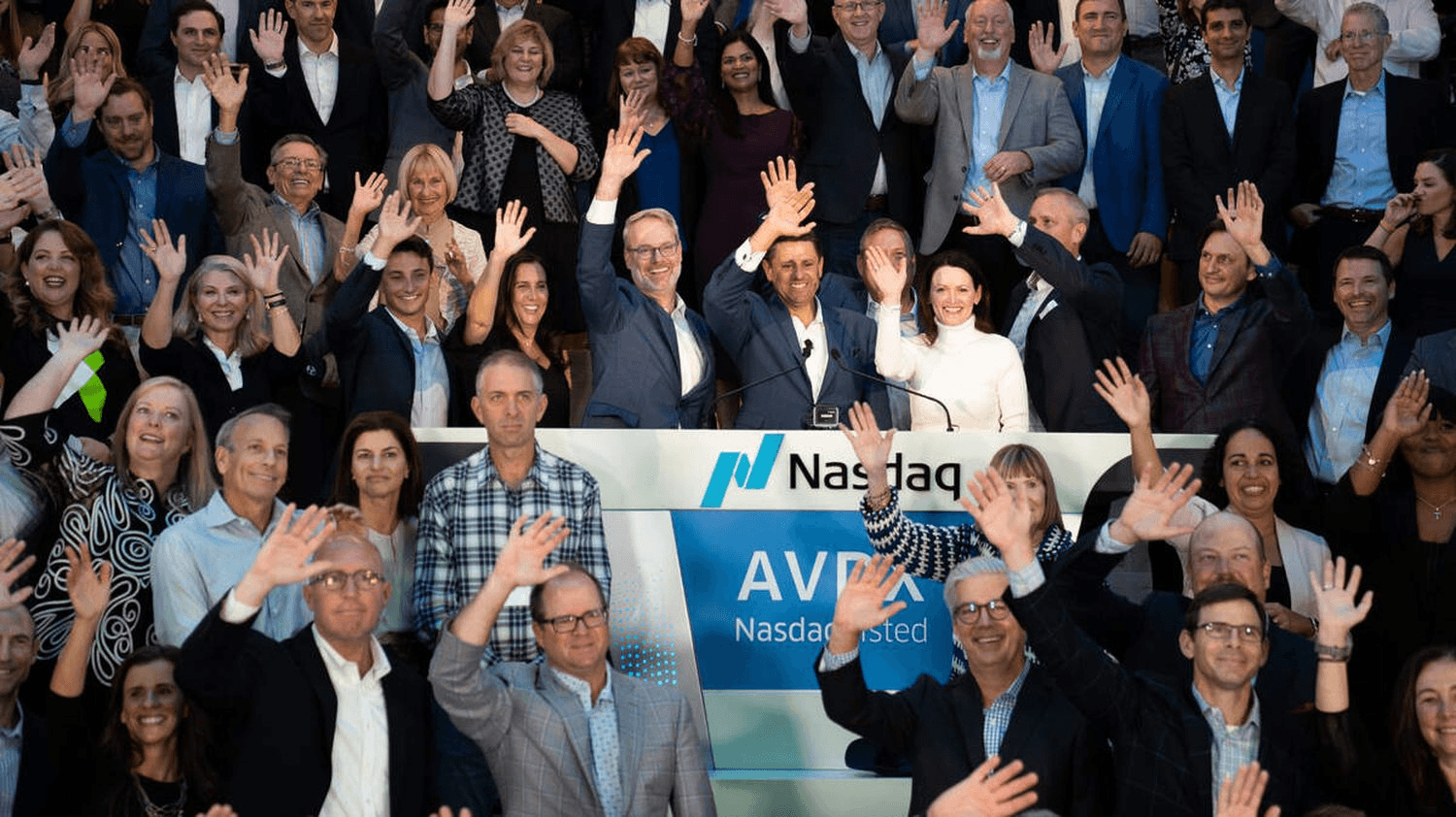
Sell-side, buy-side, and capital raises across the sectors we cover. Every one was led by the senior banker who won the mandate, from the first call through close. Recent mandates include advising Prismm on its sale to Cvent (Blackstone), UserWay on its $98.7M all-cash sale to Level Access, NGL Labs on its sale to Mode Mobile, and 3iQ on its sale to Monex Financial Group / Coincheck. On the buy side, we advised PracticeSuite on its acquisition of MicroMD, a carve-out from Henry Schein. We also advised WinTech on its sale to Constellation Software, Easy Booking on its sale to Zucchetti, and R&T Deposit Solutions on its strategic recapitalization by GTCR.
We have no interest in becoming the biggest firm in the market. We intend to be one of the most trusted.

Gary Moon
Managing Director, Co-Founder
FAQ
Frequently Asked Questions
Who do you typically work with?
Founder-led technology companies, usually doing $30M to $80M in revenue, selling, acquiring, or raising a Series B, C, or later round. We also advise boards and investors on the same decisions.
VCs are already reaching out. Why bring in a banker for a Series B or C?
Inbound interest tells you investors are curious. It doesn't tell you who will pay the most, offer the cleanest terms, or be the right partner at the board table. A structured process puts the right investors in front of you at the same time, which is where price discovery and leverage on terms come from.
How do you approach valuation?
Straight. Before you commit, we show you what companies like yours traded or raised at this year, the conservative number, and the one we think we can reach. If your expectations are ahead of the market, you'll hear it from us before you hear it from a buyer.
Who invests in Series B, C, and later rounds?
Growth equity funds, late-stage venture firms, crossover investors, and strategic corporate investors. We build the list around your sector, your metrics, and what you need beyond capital, whether that's distribution, a strategic relationship, or board experience in your market.
Do we need international buyers or investors in the process?
Not always. We add them where they fit. An acquirer in Europe or APAC may value your US revenue and market position differently than a domestic buyer, and that difference can set your price. Cross-border deals can add steps like foreign investment reviews, so we build those into the timeline from day one.
Can founders and early investors take money off the table without selling?
Yes. A secondary alongside a primary round, or a minority recapitalization, lets shareholders take some liquidity while you keep control and keep building.
How long does a process take?
A full sale typically runs four to seven months. A growth raise often moves faster once the materials are ready. Buy-side timing depends on the target and whether they were already thinking about a sale. Timing varies by company and market either way.
Why does it matter that you work through a registered broker-dealer?
In the US, anyone paid a success fee for raising capital or selling securities generally has to be registered. Securities products and investment banking services are offered through BA Securities, LLC, member FINRA/SIPC. That keeps your raise or sale clean when it gets scrutinized in diligence or at exit.
Should we sell or raise?
At your stage you usually have real options on both sides. The answer depends on your growth plan, your cap table, and what you want the next five years to look like. We lay out both paths with numbers, and when it makes sense, we test both at once so you're comparing real offers instead of hypotheticals.
We got an inbound offer. Should we just negotiate with them?
One buyer means one view of your value. We'll help you decide whether to engage directly, run a focused process, or wait for better timing.
How are you paid?
Retainer, monthly fee, success fee, and tail period, all shown before you sign. Most of what we earn comes at close.
We want to grow by acquisition, but the companies we want aren't for sale.
Most of the good ones aren't. We start with your thesis, then approach founders and owners directly through relationships across technology sectors. Plenty of deals start as a conversation with a company that wasn't looking.
Equity or debt?
If your revenue is recurring and predictable, growth debt or a credit facility can fund the plan with far less dilution. The tradeoff is repayment and covenants. Equity costs more ownership but gives you more room to invest ahead of revenue. Often the right answer is a mix, and we'll model it with you
We're not ready yet. Is it too early to talk?
No. Most founders we take to market, we met a year or two before they were ready. Early is when we can be most useful.
How much of my time will this take?
More up front than you'd like, less after that. Preparation needs you: three years of financials, your operating model, and the metrics buyers and investors will ask about first, like growth, gross margin, net revenue retention, and burn. Once we're in market, we carry the process so you can keep running the company.